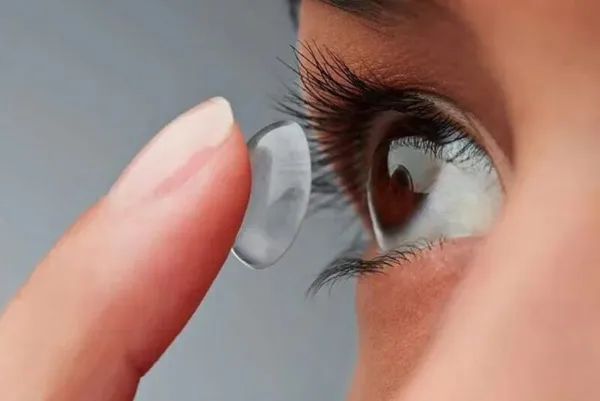
Contact Lenses in Trivandrum: What First-Time Wearers Should Know Home > Blog Plenty of people who wear glasses eventually wonder about contact lenses: for sport, for work, for photographs, or simply for a clear view without a frame. The wondering is easy. The decision is less simple, because contact lenses are not an accessory. They are medical devices that sit on the surface of your eye, and how well they work depends on a proper fit and on the habits you build in the first few weeks (AAO). This guide is for anyone considering contact lenses in Trivandrum for the first time. It explains who they suit, the main lens types, what happens at a fitting and which safe-wear habits matter most, with sources you can check. Are contact lenses right for you? Contact lenses correct the same refractive errors as glasses: myopia (nearsightedness), hyperopia (farsightedness), astigmatism and presbyopia, the age-related change in near vision. If you can wear glasses, you can usually be assessed for contacts, but “usually” matters. The AAO notes that contacts may not suit people who get frequent eye infections, who have severe allergies or dry eyes that are hard to treat, who live or work somewhere very dusty, or who cannot commit to proper lens care (AAO). Your cornea and tear film need to be healthy for lenses to be comfortable. Dryness deserves an early mention. If your eyes already feel dry or tired by evening, read Devas’s post on new contact lens trends to reduce dryness and its dry eye page, and raise it at your fitting rather than hoping a lens will solve it. Types of contact lenses explained Most first-timers meet the same handful of terms. The table gives the overview, and the sections after it explain each in plain language. Type Commonly suits Worth knowing Soft, daily disposable Beginners and occasional wearers New pair every day, so no cleaning routine Soft, weekly, fortnightly or monthly Regular wearers who keep a care routine Must be cleaned, stored and replaced on schedule Toric Astigmatism Can correct astigmatism, though not as well as hard lenses; often cost more Multifocal or monovision Presbyopia, usually after 40 Several approaches exist; ask which are available Rigid gas-permeable (RGP) Moderate to severe astigmatism, keratoconus Firm lenses that can give sharper vision on an unevenly curved cornea Coloured or decorative Cosmetic use Prescription and fitting needed even when there is no power Soft and rigid gas-permeable lenses Most people choose soft lenses because they tend to be comfortable and come in many options, according to the AAO. Rigid gas-permeable lenses hold their shape and let oxygen through. They can give sharper vision when the cornea is unevenly curved, which is why they are used for moderate to severe astigmatism and keratoconus. If your clinician suggests RGP lenses, ask why they recommend them over soft ones. Daily, fortnightly and monthly replacement Soft lenses differ mainly in how long you wear each pair. Daily disposable lenses are thrown away every day, so there is no cleaning routine, and the AAO notes that some ophthalmologists suggest them if you wear lenses only occasionally. Monthly contact lenses, along with weekly and fortnightly ones, last longer but must be cleaned, stored and replaced exactly on schedule. The honest comparison is about habits: dailies remove a daily task, while monthlies suit people who are consistent. Extended-wear lenses, which can be slept in, are recommended by fewer eye doctors because they raise the chance of a serious infection. Toric lenses for astigmatism If your prescription includes astigmatism, toric lenses for astigmatism are designed to correct it. The AAO says torics can correct astigmatism, though not as well as hard lenses, and that they often cost more than other soft lenses. Astigmatism fits can be more demanding, so tell your clinician if vision blurs or shifts during your trial period. Multifocal lenses and monovision After about 40, many people develop presbyopia and find near work harder. The AAO lists bifocal or multifocal contact lenses, and monovision, where one eye wears a near lens and the other a distance lens, as options. Neither suits everyone, and not every option is available everywhere, so ask which ones a provider offers before you plan around them. Coloured and decorative lenses Coloured contact lenses come in two kinds: vision-correcting lenses that are tinted, and decorative lenses that change how the eye looks without correcting vision. The AAO is clear that decorative lenses still need a prescription and a proper fit, and that non-prescription costume lenses can cause cuts, open sores and potentially blinding infections. Devas lists coloured lenses among the options on its contact lens page. If colour is your main reason for asking, still start with the exam. What happens at a contact lens fitting A contact lens fitting is more than reading out a number. A peer-reviewed safety review on PubMed Central says lenses should ideally be fitted and prescribed by an eye care professional after a comprehensive eye examination that rules out underlying disease and covers the risks and benefits of the options (review). Devas’s contact lens page says its fitting includes measuring the curvature of your cornea and the size of your pupil before choosing the type and fit. Expect questions about your work, screen use, allergies, sport and how comfortable you are with a daily care routine. Your answers shape the recommendation as much as your power does. You will also receive a contact lens prescription, which is separate from your glasses prescription. It contains details a glasses prescription does not, such as lens brand, diameter and base curve, alongside power and, if needed, cylinder and axis. Archived FDA consumer guidance lists these items and advises that you should not accept a substitute lens unless your eye care professional approves it. It is US guidance, but the logic holds anywhere. If you are choosing contact lenses in Trivandrum, that… Continue reading Contact Lenses in Trivandrum: What First-Time Wearers Should Know
Category: Blog
Your blog category
How to Choose the Best Optical Shop in Trivandrum
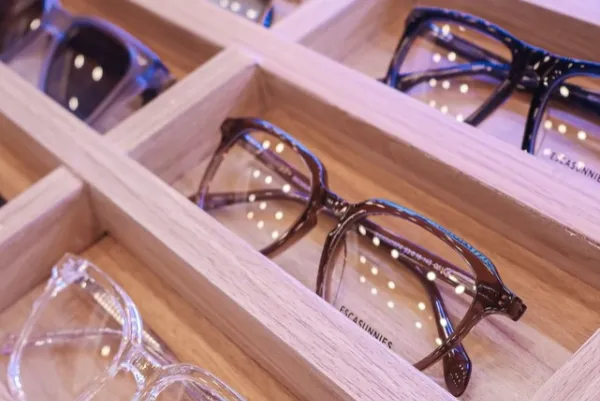
How to Choose the Best Optical Shop in Trivandrum Home > Blog Most people choose an optical shop the way they choose a restaurant: a familiar name, a colleague’s recommendation, a bright shopfront on the way home. That works until the new glasses cause headaches, or the frame slides down your nose by the second week. Two shops can take the same prescription and hand you pairs that feel completely different, because the quality lives in the steps between the prescription and the finished glasses. Instead of handing you a ranked list, this guide shows you what to check, so you can judge any shop you walk into. Use it well and you will know whether you have found the best optical shop in Trivandrum for your eyes, not just the one with the loudest hoarding. What “best” should mean when you buy glasses Star ratings and reviews are a fair starting point, but they mostly record friendliness and speed. Those matter, yet they cannot tell you whether the optical centre of each lens sits in front of your pupil. A more useful definition has three parts: your prescription is measured correctly, your glasses are made and fitted to it accurately, and someone is available when they need adjusting. A shop that does all three beats a bigger showroom that does one. That is worth remembering whether you search for the best optical shop in Trivandrum, scroll through results for an optical shop near me, or look for an optical shop in Thiruvananthapuram while visiting the city. The label changes; the checks do not. Start with the eye test, not the frame Glasses can only be as accurate as the test behind them, so before you compare frames, find out who is testing your eyes and where. Know who is testing your eyes The American Academy of Ophthalmology describes three roles. An ophthalmologist is a medical doctor who diagnoses and treats eye disease. An optometrist provides vision exams and lens prescriptions. An optician fits glasses to a prescription written by one of the other two and does not test vision (AAO). Titles and training routes differ between countries, so the practical question is simpler: who will examine my eyes, and what is their qualification? A shop that answers plainly is showing you how it works. Why an eye clinic and an optical counter under one roof helps If you have headaches, diabetes, a family history of eye disease or a long gap since your last check, you may need an examination, not just a prescription. An eye clinic Trivandrum residents can use for both, such as Devas Eye Clinic & Opticals, makes it easier to handle the two in one visit. An eye test before buying glasses also stops you from copying an old prescription that no longer suits you. The AAO adds that everyone should have a complete baseline eye exam by age 40, even with good vision, and repeat it as often as their ophthalmologist advises. Check how the glasses are measured and fitted This is the stage customers rarely see, and the one where glasses fitting most often goes wrong. Pupillary distance, or PD, is the distance between the centres of your pupils. It is used to place each lens’s optical centre in front of the matching pupil, and All About Vision notes that a wrong PD can cause eye strain, blurred vision or even double vision, especially with stronger prescriptions (All About Vision). In a shop, the optician should measure PD and check how your current frame sits, not rely on a default figure. If you are over 40 and moving to progressive lenses, fitting height matters too, because it positions the distance, intermediate and near zones in front of your eyes. Devas explains these measurements in its guide to fitting progressive lenses into different frame styles. Ask any shop what it will measure; a specific answer is a good sign, a vague one is not. Fitting does not end when the glasses are ready. The frame should be adjusted on your face when you collect it, and you should leave knowing what to expect in the first week and who to see if something feels wrong. Look at the lenses and frames, not only the price The phrase lens and frames in Trivandrum covers a wide range of quality. Ask for the lens brand, material and coatings to be written on your quote or invoice. Established manufacturers such as Essilor, Zeiss and Hoya appear among the lens brands Devas shows on its website, but a logo on a website is not a promise about your particular pair, so check the specification you are actually given. Frames deserve the same attention. Acetate, metal and titanium suit different faces, budgets and climates. Devas’s page on lens and frames notes that titanium resists corrosion in humid conditions, which matters on this coast. Choose for fit and comfort first, then style. Coatings and special lenses: evidence versus marketing Optical add-ons are where claims and evidence drift apart, so ask what each one is for. An anti-reflective coating reduces reflections and lets more light through, which can help in low light such as night driving. Photochromic lenses, which darken in sunlight, help protect against UVA and UVB rays outdoors. Both points come from All About Vision, a consumer site owned by the lens maker Essilor Laboratories of America, so treat it as a manufacturer-affiliated source. Blue-light coatings need more care. A Cochrane review of 17 randomised trials found that blue-light filtering lenses probably make little or no difference to eye strain from computer use, and its authors said the findings do not support prescribing them to the general population. That does not mean you cannot choose them. It means nobody should tell you they are medically necessary. A trustworthy optician separates the upgrades you need from the ones that are optional. Ask for a… Continue reading How to Choose the Best Optical Shop in Trivandrum
Which Eye Hospital Is Best in Trivandrum?Key Factors for Choosing the Right Eye Care
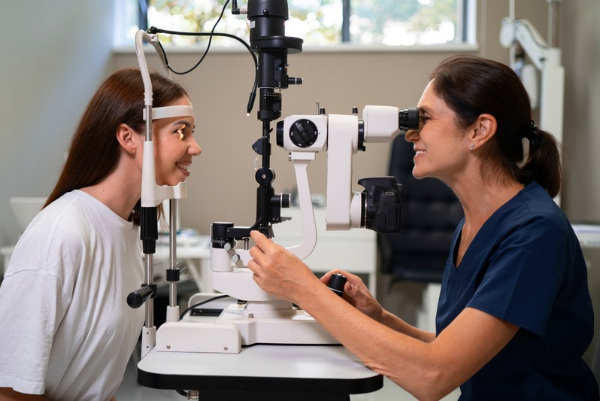
Which Eye Hospital Is Best in Trivandrum? Key Factors for Choosing the Right Eye Care Home > Blog The best eye hospital depends on your specific vision problem. Choose a hospital with suitable specialists and modern facilities. Check emergency care, technology, accreditation, and follow-up services. Also compare location, insurance support, costs, and patient experience. How Should You Choose an Eye Hospital? Do not choose hospitals based only on online ratings. First, identify the eye problem needing professional medical attention. Then, find specialists experienced with your specific condition. Finally, compare facilities, treatment options, costs, and follow-up. Consider these important factors before booking your appointment: Specialists: Check relevant ophthalmology subspecialists before choosing. Technology: Look for OCT and advanced diagnostic equipment. Surgery: Confirm suitable surgical facilities and experienced surgeons. Emergency care: Check availability for urgent eye conditions. Accreditation: Consider recognised quality and safety standards. Insurance: Confirm cashless insurance and TPA support. Location: Choose convenient locations for regular follow-up. Reviews: Read detailed reviews about treatment experiences. Match Your Eye Problem With Specialist Care Different eye conditions often require different specialist expertise. Therefore, choose hospitals according to your treatment requirements. Eye Problem Specialist To Consider Cataract Cataract or anterior-segment specialist Glaucoma Glaucoma specialist Diabetic retinopathy Retina specialist Retinal detachment Vitreoretinal specialist Keratoconus Cornea specialist LASIK Refractive surgery specialist Child vision problems Paediatric ophthalmologist Squint Squint or paediatric specialist Eye injuries Emergency ophthalmology team This approach helps patients make more informed healthcare decisions. It also prevents choosing hospitals based only on popularity. What Eye Facilities Should You Look For? Modern diagnosis can improve treatment planning and accuracy. Ask whether your chosen hospital provides essential diagnostic services. Important technologies may include: Optical Coherence Tomography (OCT) Fundus photography Visual field testing Corneal topography B-scan ultrasonography Retinal laser treatment YAG laser procedures Advanced cataract surgery equipment The Regional Institute of Ophthalmology provides multiple specialised services. These include retina, cornea, glaucoma, and paediatric ophthalmology. It also provides low-vision, uvea, cataract, and eye-bank services. When Should You Seek Emergency Eye Care? Sudden vision changes can require immediate ophthalmic assessment. Do not delay care when serious symptoms suddenly appear. Seek urgent medical attention for: Sudden vision loss New flashes or numerous floaters Curtain-like shadows across your vision Severe eye pain with vision changes Chemical exposure to the eyes Serious eye injuries Sudden severe redness with vision problems Retinal detachment requires immediate ophthalmologist assessment. Chemical eye injuries also require immediate irrigation and medical evaluation. Eye Clinic Trivandrum: When Is It Enough? An eye clinic can handle many routine vision concerns. These include eye examinations, glasses, lenses, and common conditions. Complex cases may require specialist hospital evaluation and surgery. Your doctor can recommend further treatment when necessary. When choosing an eye clinic patients should check specialist availability. They should also check diagnostic facilities and referral arrangements. Choosing Optical Services for Your Eyewear Good vision care also includes properly selected spectacles. Choose optical providers offering professional eye-testing and fitting. Check lens options, frame quality, warranties, and after-sales support. This matters especially for children and frequent eyewear users. People searching for the Best eye clinic trivandrum should compare services. Look beyond discounts and attractive frame collections alone. Professional measurements and suitable lens recommendations matter more. Final Checklist Before Your Appointment Use this checklist before selecting your eye-care provider: Does the hospital treat your specific condition? Does it have the required specialist? Are suitable diagnostic technologies available? Does it provide emergency services when needed? Does your insurance cover the treatment? Are follow-up visits convenient? Have you discussed treatment alternatives? Have you understood expected costs? The right choice should match your individual healthcare needs. Do not select a hospital solely because others recommend it. Discuss your symptoms and treatment options with qualified ophthalmologists. Early professional assessment can help protect your long-term vision. Looking for reliable eye-care services in Trivandrum? Contact our team today. Schedule your consultation and discuss your vision concerns with qualified eye-care professionals. Frequently Asked Questions 1. Which eye hospital is best in Trivandrum? The right hospital depends on your specific eye-care requirements. Compare specialists, facilities, technology, emergency care, and follow-up. 2. How do I choose an eye hospital? Start by identifying your specific eye problem first. Then compare specialist expertise, facilities, costs, and accessibility. 3. Which specialist treats retinal problems? Retina specialists manage many retinal diseases and related conditions. They commonly treat diabetic retinopathy and retinal detachments. 4. Is OCT important for eye examinations? OCT provides detailed images of internal eye structures. Doctors use it when evaluating several retinal and optic conditions. 5. When should I visit an eye hospital urgently? Sudden vision loss requires urgent professional medical assessment. Flashes, floaters, shadows, injuries, and chemical exposure need attention. 6. Can an eye clinic treat common vision problems? Yes, many clinics handle routine examinations and common conditions. Complex cases may require specialist hospital care and surgery. 7. What should I check before cataract surgery? Ask about the surgeon, procedure, lens options, and follow-up. Also understand total costs and insurance coverage beforehand. 8. Does hospital accreditation matter? Accreditation indicates compliance with recognised quality requirements. However, patients should also evaluate specialty and treatment capabilities. 9. How can I find a good optical shop? Check professional eye testing, lens choices, fitting, and warranties. Compare service quality instead of choosing based only on discounts. 10. Can I compare hospitals before booking treatment? Yes, comparing hospitals can help you make informed decisions. Focus on your condition, specialist expertise, facilities, and convenience. Latest Blog & News Which Eye Hospital Is Best in Trivandrum? October 5, 2026 Which Lens Is Best for Daily Use? Expert Guidance from an Eye Clinic Trivandrum October 5, 2026 Are Photochromic Lenses Good For Eyes? September 9, 2026 Book an appointment contact us
Which Lens Is Best for Daily Use? Expert Guidance from an Eye Clinic Trivandrum

Which Lens Is Best for Daily Use? Expert Guidance from an Eye Clinic Trivandrum Home > Blog Choosing the right daily-use lens starts with your prescription and lifestyle. Single-vision lenses suit people who need correction at one distance, while progressive lenses suit people needing clear vision at multiple distances. Your eye examination should guide the final choice. What Makes a Good Daily-Use Lens? A good everyday lens should provide clear vision, comfort, durability, and suitable protection. Consider your prescription, screen usage, driving needs, outdoor activities, lens thickness, weight, frame size, coatings, and budget. Lens Type Suitable For Main Benefit Single-vision One viewing distance Simple correction Progressive Multiple distances Distance, intermediate, and near vision Reading Near activities Close-up vision High-index Higher prescriptions Thinner lenses Photochromic Indoor-outdoor use Automatic tinting Polycarbonate Active lifestyles Impact resistance Trivex Active everyday use Lightweight protection Choosing the Right Lens Type Single-vision lenses work well for people needing straightforward distance, intermediate, or near correction. They are practical for many students, office professionals, and everyday users. Progressive lenses combine distance, intermediate, and near vision correction. They can be useful for people experiencing presbyopia, which commonly develops with age around forty. Reading lenses focus mainly on near vision. Avoid choosing reading power only through guesswork because different prescriptions may require different corrections. Which Lens Material Should You Choose? Lens material affects thickness, weight, strength, and comfort. High-index lenses can help reduce thickness for stronger prescriptions, while polycarbonate and Trivex offer strong impact resistance for active users. Your optician can compare suitable materials based on your prescription, frame, lifestyle, and budget. Useful Lens Coatings Anti-reflective coating can reduce unwanted reflections and may be useful for computer work, night driving, bright lighting, and frequent video calls. Photochromic lenses can automatically darken outdoors and suit people who frequently move between indoor and outdoor environments. However, dedicated sunglasses may still be preferable for strong outdoor protection. Do You Need Blue-Light Filtering? Most computer users do not need special blue-light lenses. Current evidence does not show that normal screen light damages the eyes. Digital discomfort is more commonly linked with prolonged screen use and reduced blinking. For better screen comfort: Follow the 20-20-20 rule. Keep screens around arm’s length away. Position screens slightly below eye level. Reduce distracting glare. Adjust screen brightness. Blink frequently. Take regular breaks. Persistent headaches, dryness, or blurred vision should be professionally assessed. Best Lenses for Driving and Outdoor Use Drivers need an accurate prescription for clear distance vision. Anti-reflective coatings may help reduce distracting reflections, especially during night driving. Outdoor users should consider suitable UV protection. Active users may also benefit from polycarbonate or Trivex lenses because of their impact resistance. What About High Prescriptions? Higher prescriptions can make lenses thicker and heavier. High-index materials may reduce lens thickness, while suitable frame sizing can also improve appearance and comfort. Do not choose lenses based only on thinness. Prescription accuracy and optical quality should remain the priority. How to Choose Your Daily Lenses Follow these simple steps: Get a professional eye examination. Identify your main daily activities. Choose the appropriate lens design. Select suitable lens material. Add useful coatings based on your needs. Choose a comfortable, properly fitted frame. Compare quality, warranty, and aftercare. For people searching for Lens and frames in trivandrum, compare lens materials, coatings, frame options, fitting services, and warranties before purchasing. If you have changing vision or persistent eye concerns, an eye clinic trivandrum can provide professional examination and guidance. Common Buying Mistakes Avoid choosing lenses only because they are cheap or heavily marketed. Common mistakes include ignoring prescription changes, choosing unsuitable frames, buying unnecessary features, skipping professional measurements, and ignoring damaged or scratched lenses. Your daily lens should balance clarity, comfort, durability, and value. What Should You Consider Before Buying? The best lens balances your prescription and lifestyle. Avoid choosing products based purely on marketing claims. Ask questions about materials, coatings, fitting, and warranty. Compare practical benefits before spending additional money. Use this checklist during your optical consultation: Question Why It Matters What lens type suits me? Matches your vision needs Which material suits my prescription? Controls thickness and weight Do I need AR coating? Helps manage reflections Do I need UV protection? Supports outdoor eye protection Would photochromic lenses help? Adds outdoor convenience Is my frame suitable? Supports proper lens positioning What warranty applies? Protects your purchase This checklist keeps your purchase simple and focused. It also helps you discuss choices confidently with professionals. Remember that every prescription requires individual consideration. Your ideal everyday lens may differ from someone else’s. Final Takeaway The best daily-use lens depends on your prescription and lifestyle. Start with an eye examination, then consider your screen use, driving, outdoor activities, age, and prescription strength. Choose useful features instead of paying for unnecessary upgrades. The right combination of lens, frame, coating, and professional fitting can provide comfortable everyday vision. Book your eye examination today and choose confidently. Frequently Asked Questions 1. Which lens is best for daily use? Single-vision lenses suit many users with simple prescriptions. Progressive lenses suit people needing multiple viewing distances. 2. Are progressive lenses good for everyday use? Yes. They can provide distance, intermediate, and near vision correction within one pair. 3. Do computer users need blue-light lenses? Most users do not need them. Good screen habits and regular breaks can improve visual comfort. 4. Which lenses suit high prescriptions? High-index lenses can help reduce thickness and weight for stronger prescriptions. 5. Are photochromic lenses good for daily use? They can suit people frequently moving between indoor and outdoor environments. 6. Is anti-reflective coating useful? It can reduce distracting reflections and may benefit frequent screen users and drivers. 7. Which lenses are best for driving? Accurate prescription lenses are essential. Anti-reflective coating may also help reduce reflections. 8. Which lens material suits active users? Polycarbonate and Trivex provide strong impact resistance for active lifestyles. 9. When should spectacle lenses be replaced? Replacement depends on prescription changes, scratches, coating damage, and overall lens condition. 10. Where… Continue reading Which Lens Is Best for Daily Use? Expert Guidance from an Eye Clinic Trivandrum
Are Photochromic Lenses Good For Eyes?

Are Photochromic Lenses Good For Eyes? Home > Blog Yes, photochromic lenses can protect and comfort your eyes.They automatically darken outdoors and clear indoors again.Quality lenses can also provide effective UV protection. However, photochromic lenses do not treat eye diseases.They support comfortable vision but cannot replace treatment.Regular eye examinations remain important for healthy eyes. Key Benefits Of Photochromic Lenses UV protection: Helps protect eyes from harmful UV exposure. Light control: Reduces discomfort from bright outdoor light. Convenience: One pair adapts across different lighting conditions. Less squinting: Darker lenses can improve bright-light comfort. Prescription correction: Corrects vision while adapting to sunlight. Why Does UV Protection Matter? UV concern Why protection matters Cataracts UV exposure contributes to cataract risk Photokeratitis Strong UV exposure can inflame the cornea Pterygium Long-term UV exposure is associated with development Bright sunlight Protection can improve outdoor visual comfort Can Photochromic Lenses Reduce Eye Strain? Photochromic lenses can make bright outdoor conditions more comfortable.They reduce incoming visible light and may reduce squinting.This can make outdoor activities easier on your eyes. However, they do not cure digital eye strain.Screen users should take regular breaks and blink frequently.The 20-20-20 rule can also support comfortable screen use. Do They Protect Against Blue Light? Some photochromic lenses include additional blue-light filtering technology.However, standard photochromic lenses do not always filter blue light.Always check the specifications before choosing such features. Blue-light filtering should not replace healthy screen habits. Good lighting and regular breaks remain important for screen users. Are Photochromic Lenses Good For Driving? Photochromic lenses can work well during outdoor activities. However, standard versions may not darken sufficiently inside vehicles. Windshields can block UV light needed for lens activation. Therefore, drivers may still need dedicated sunglasses. Polarized sunglasses can also reduce strong reflected road glare. This makes them useful during bright daytime driving. Are They Suitable For Two-Wheeler Riders? Yes, photochromic lenses can suit frequent two-wheeler riders. They automatically adjust when riders enter brighter surroundings. This makes them convenient for daily outdoor commuting. However, riders also need protection from dust and wind. A suitable frame can provide additional coverage around eyes. Dedicated sunglasses may help during extremely bright conditions. Do Temperature And Weather Affect Performance? Yes, environmental conditions can influence photochromic performance. Temperature, sunlight intensity, and lens technology affect activation. Different products can also provide different darkness levels. Cold conditions may sometimes produce stronger lens darkening. Hot conditions can sometimes reduce maximum lens darkness. Modern technologies continue improving transition speed and performance . Photochromic Lenses Vs Regular Sunglasses Feature Photochromic lenses Regular sunglasses Indoor use Usually clear Usually remains tinted Outdoor adaptation Automatic Manual Prescription available Yes Yes UV protection Available with suitable lenses Available with suitable lenses Driving usefulness May have limitations Usually more suitable Convenience Excellent Requires switching Strong outdoor glare Depends on lens Often better Photochromic Vs Polarized Lenses Feature Photochromic Polarized Main Benefit Adjusts to changing light Reduces glare Indoor Use Clear Tinted Outdoor Use Darkens automatically Remains tinted UV Protection Yes Yes Glare Control Moderate Excellent Driving Limited in some cars Better for daytime driving Best For Daily indoor-outdoor use Outdoor activities & driving Before Buying, Check These Points Confirm UVA and UVB protection. Check your prescription accuracy. Ask about transition speed. Check maximum outdoor darkness. Consider polarization for strong glare. Ask about performance inside vehicles. Choose a comfortable frame. Follow professional eye-care advice. Who Should Choose Photochromic Lenses? Photochromic lenses suit people frequently moving between environments. They work particularly well for commuters and outdoor workers. Students and active adults may also find them convenient. They can help people who dislike carrying sunglasses. People sensitive to bright sunlight may also benefit. Your eye-care professional can recommend suitable lens options. Are They Suitable For Children? Children also need protection from excessive UV exposure. Photochromic lenses can provide convenient outdoor protection for children. Parents should choose quality lenses from reliable optical providers. An eye-care professional should assess children’s individual vision needs. Correct prescription and suitable lens materials remain important. Regular eye examinations should continue as children grow. Final Verdict Photochromic lenses offer useful protection, comfort, and convenience. They work especially well for changing indoor and outdoor environments. However, they cannot replace dedicated sunglasses in every situation. Your lifestyle should determine the best lens technology. Drivers may need polarized sunglasses for stronger glare control. An eye professional can help you make the right choice. If you are looking for Photochromic lenses Trivandrum, choose quality. A trusted eye clinic Trivandrum can check your vision. You can then select lenses suited to your daily activities. Contact Devas Eye Clinic & Opticals for expert guidance and personalized lens recommendations. Frequently Asked Questions 1. Are photochromic lenses good for eyes? Yes. They provide UV protection and improve bright-light comfort. 2. Can I wear photochromic lenses all day? Yes. They remain clear indoors and darken outdoors automatically. 3. Do photochromic lenses block UV rays? Quality lenses can provide UV protection. Check their specifications. 4. Are photochromic lenses good for driving? They help outdoors but may not darken sufficiently inside cars. 5. Do they reduce eye strain? They can improve bright-light comfort but don’t cure eye strain. 6. Are they better than sunglasses? They offer convenience, while sunglasses provide stronger outdoor protection. 7. Do they work inside cars? Standard versions may darken less because windshields block UV light. 8. Can children wear photochromic lenses? Yes. Suitable lenses can provide convenient outdoor UV protection. 9. Do photochromic lenses damage eyes? Quality lenses are generally safe when correctly prescribed and fitted. 10. Where can I get photochromic lenses? Visit a qualified eye clinic for professional examination and advice. Latest Blog & News Are Photochromic Lenses Good For Eyes? September 9, 2026 Which Eyeglasses Are Best for Kids? September 9, 2026 What Is the Process for Fitting Progressive Lenses into Different Frame Styles? August 4, 2026 Book an appointment contact us
Which Eyeglasses Are Best for Kids?

Which Eyeglasses Are Best for Kids? Home > Blog Polycarbonate lenses with a comfortable, secure frame suit most children. Parents should prioritise safety, correct fit, comfort, and durability first. Fashionable colours matter, but proper vision protection matters more. The right glasses help children see clearly throughout everyday activities. Choose Impact-Resistant Lenses for Better Safety Children need lenses that can handle accidental drops and impacts. Polycarbonate lenses offer excellent impact resistance for active children. They are lightweight and provide useful protection against harmful ultraviolet rays. Trivex lenses also provide excellent impact resistance and lightweight performance. Feature Polycarbonate Trivex Impact resistance Excellent Excellent Weight Lightweight Very lightweight UV protection Excellent Excellent Optical clarity Good Excellent Children Common choice Excellent alternative Your eye specialist can recommend the most suitable material. The prescription, age, activities, and eye condition can influence selection. Never Buy Oversized Frames for Future Growth Parents often choose larger frames expecting children to grow. However, oversized frames can slide down during daily activities. Sliding glasses can affect where children look through lenses. Proper fitting keeps the prescription positioned correctly before their eyes. Check these points before purchasing your child’s next glasses: The frame should sit comfortably across the nose. The eyes should remain properly positioned within lenses. The temples should stay secure without creating uncomfortable pressure. The frame should not touch cheeks while looking downward. The glasses should remain stable during normal child movement. Spring Hinges Can Improve Everyday Frame Durability Children often remove glasses using one hand during busy moments. This habit can place unnecessary pressure on ordinary frame hinges. Spring hinges allow temples to flex beyond their normal position. This flexibility can reduce damage from frequent handling and movement. Flexible frames can also provide useful durability during childhood activities. Parents should still choose frames matching their child’s specific needs. Choose Glasses According to Your Child’s Lifestyle Different children need different features from their everyday eyewear. Toddlers: Choose lightweight, flexible, secure-fitting frames. School children: Prioritise comfort, durability, and easy maintenance. Active children: Choose impact-resistant lenses and flexible frames. Teenagers: Balance prescription needs, comfort, appearance, and durability. High prescriptions: Ask about thinner high-index lens options. An eye-care professional can check fit and prescription accurately. Regular eye examinations help identify changing vision needs early. What Should Parents Avoid When Buying Children’s Glasses? Avoid choosing frames based only on colour or appearance. Avoid loose bridges that allow glasses to slide repeatedly. Avoid heavy frames that children may dislike wearing daily. Avoid repairing badly damaged frames using household tools yourself. A properly fitted pair should feel comfortable throughout everyday activities. Children are more likely to wear glasses that feel comfortable. Comfort also supports consistent wearing habits during school and play. Quick Parent Checklist Before leaving the optical store, check these important points: Correct prescription confirmed Impact-resistant lenses selected Comfortable bridge fit Proper eye positioning Secure temple fit Flexible or durable frame Suitable lens coatings Protective storage case Professional frame adjustment Final Verdict Choosing children’s glasses requires more than selecting attractive frames. Parents need professional guidance for prescription, lenses, fit, and comfort. A trusted eye clinic trivandrum can assess your child’s vision. It can also recommend suitable eyewear based on individual requirements. For parents searching Kids eyeglasses trivandrum, professional fitting remains essential. Choose safety and comfort before focusing mainly on frame appearance. Book a children’s eye examination in Devas Eye Clinic & Opticals today and protect their vision. Frequently Asked Questions 1. Which lenses are safest for children? Polycarbonate lenses provide excellent impact resistance for children’s everyday activities. 2. Are Trivex lenses suitable for children? Yes, Trivex provides excellent impact resistance and lightweight lens performance. 3. Should children wear glass lenses? Impact-resistant materials generally provide safer choices for active children. 4. Should parents buy oversized frames? No, oversized frames can slide and affect proper visual positioning. 5. Are spring hinges useful for children’s glasses? Yes, spring hinges can improve durability during frequent everyday handling. 6. What frame material works best for kids? Flexible, lightweight frames usually provide comfort and better everyday durability. 7. Do children need UV protection? Yes, UV protection provides useful protection against ultraviolet exposure. 8. How should children’s glasses fit? Frames should remain secure without slipping, pinching, or touching cheeks. 9. Can children wear glasses during sports? Children need suitable protective eyewear for many sports and activities. 10. When should children have their vision checked? Follow your eye-care professional’s recommended schedule for regular children’s examinations. Latest Blog & News Which Eyeglasses Are Best for Kids? September 9, 2026 What Is the Process for Fitting Progressive Lenses into Different Frame Styles? August 4, 2026 What Are the Benefits of Anti-Reflective Coatings on Lenses? August 4, 2026 Book an appointment contact us
What Is the Process for Fitting Progressive Lenses into Different Frame Styles?
What Is the Process for Fitting Progressive Lenses into Different Frame Styles? Home > Blog The process of fitting progressive lenses into different frame styles involves a detailed eye examination, accurate measurements, careful frame selection, digital lens customization, precise lens mounting, and final adjustments. Every frame style requires a slightly different fitting approach to ensure clear vision for distance, intermediate, and near viewing. Choosing progressive lenses is not only about selecting stylish glasses. It is about ensuring the lenses match your eyes and your chosen frame perfectly. A professional eye clinic in Trivandrum follows a systematic fitting process that helps you enjoy comfortable vision throughout the day. Why Is the Fitting Process So Important? Progressive lenses contain three viewing zones in one lens. These zones help you see distant objects, computer screens, and reading material without changing glasses. If the lenses are not fitted correctly, you may experience: Blurred vision Difficulty reading Headaches Neck strain Dizziness The “swim effect” while walking Even the world’s best progressive lenses cannot perform well if they are not fitted accurately. The fitting process is the foundation of clear and comfortable vision. What Are Progressive Lenses? Progressive lenses are multifocal lenses that provide seamless vision correction without visible lines. They allow you to: See far-away objects clearly. Work comfortably on a computer. Read books and mobile phones easily. Switch between viewing distances naturally. These lenses are commonly recommended for people over 40 who develop presbyopia, a natural age-related change that affects near vision. Can Progressive Lenses Fit Every Frame Style? Yes, but every frame style requires different measurements and fitting techniques. Frame size, lens height, shape, and curvature directly affect how well progressive lenses perform. An experienced optometrist selects a lens design that suits both your prescription and your frame. Which Frame Styles Work Best for Progressive Lenses? Frame Style Suitable for Progressive Lenses Why It Works Full-Rim Frames Excellent Maximum lens stability and wider viewing zones. Semi-Rimless Frames Very Good Lightweight with good support when fitted correctly. Rimless Frames Good Needs precise drilling and accurate lens mounting. Plastic Frames Excellent Stable fitting and comfortable for daily use. Metal Frames Very Good Easy to adjust for proper alignment. Small Frames Moderate Limited space for progressive viewing zones. Large Frames Excellent Offers wider distance, intermediate, and reading areas. How Does Frame Geometry Affect Progressive Lenses? Every frame has a unique shape and size. This directly affects the placement of progressive lens zones. For example: Small frames need shorter progressive corridors. Taller frames provide larger reading areas. Curved frames require additional measurements. Oversized frames often deliver smoother peripheral vision. There is no “one-size-fits-all” solution. Every frame requires a customized fitting process. Step-by-Step Process for Fitting Progressive Lenses Step 1: Comprehensive Eye Examination A detailed eye test is the first step. The optometrist checks your distance, near, and intermediate vision, eye health, and current prescription to ensure accurate vision correction. Step 2: Choosing the Right Frame The right frame is selected based on lens height, frame size, shape, and comfort. A suitable frame improves both vision and wearing comfort. Step 3: Measuring Pupillary Distance (PD) The optometrist measures the distance between your pupils. Accurate PD ensures the lenses align perfectly with your eyes. Step 4: Measuring Fitting Height Fitting height determines the correct position of the progressive viewing zones. This measurement provides smooth vision at all distances. Step 5: Checking Frame Position The frame is adjusted to fit your face correctly. Proper alignment improves visual clarity and helps you adapt faster. Step 6: Selecting the Right Lens Design The lens design is chosen based on your lifestyle, such as reading, computer work, driving, or daily activities. Digital progressive lenses provide wider and more comfortable viewing areas. Step 7: Digital Lens Manufacturing Advanced digital technology creates personalized lenses with high precision. This improves visual comfort and reduces distortion. Step 8: Lens Edging and Mounting The lenses are shaped to match your frame and mounted accurately. Proper fitting keeps all viewing zones correctly aligned. Step 9: Final Frame Adjustment The finished glasses are adjusted for comfort, balance, and proper lens alignment. This ensures a secure and natural fit. Step 10: Wearer Trial and Adaptation You try on the glasses to check vision at different distances. Minor adjustments are made to provide the best possible comfort and clarity. Measurements That Make Progressive Lenses Comfortable Many people think only the prescription matters. In reality, several measurements influence lens performance. Measurement Why It Matters Pupillary Distance (PD) Aligns the optical center with your eyes. Monocular PD Improves accuracy for each eye individually. Fitting Height Positions the progressive zones correctly. Vertex Distance Maintains correct lens power. Pantoscopic Tilt Enhances natural viewing angles. Face Wrap Angle Improves peripheral vision. These precise measurements help create personalized progressive lenses with better visual comfort. Common Mistakes During Progressive Lens Fitting Poor fitting can affect even premium lenses. Common mistakes include: Choosing very small frames. Incorrect PD measurement. Wrong fitting height. Measuring before adjusting the frame. Poor lens alignment. Buying glasses without professional fitting. Avoiding these mistakes makes adaptation faster and vision more comfortable. How Long Does It Take to Adjust? Most people adapt within one to two weeks. Time Expected Experience Days 1–3 Slight adjustment while changing focus. Days 4–7 Better coordination between viewing zones. Days 7–14 Comfortable daily use for most wearers. Up to 4 Weeks Full adaptation in some cases. Wearing your glasses regularly helps your eyes adjust more quickly. Latest Technology Makes Progressive Lenses Better Modern optical technology has transformed progressive lens fitting. Today’s premium lenses may include: Digital Freeform Technology AI-assisted lens design 3D facial measurements Personalized lens optimization High-definition optics Anti-reflective coatings These innovations reduce distortion, improve peripheral vision, and provide a more natural viewing experience. Practical Tips Before Buying Progressive Lenses Follow these simple tips: Choose a frame with sufficient lens height. Get your eyes tested before ordering new glasses. Always measure the lenses after selecting the frame. Ask about digital progressive lenses. Select an anti-reflective coating for better night vision.… Continue reading What Is the Process for Fitting Progressive Lenses into Different Frame Styles?
What Are the Benefits of Anti-Reflective Coatings on Lenses?
What Are the Benefits of Anti-Reflective Coatings on Lenses? Home > Blog Anti-reflective (AR) coating improves vision by reducing glare, increasing light transmission, and making your lenses almost invisible. It also makes driving, screen use, and daily activities more comfortable. If you wear glasses every day, adding an anti-reflective coating is one of the smartest upgrades you can make. Whether you work on a computer, drive at night, or spend long hours outdoors, AR-coated lenses provide clearer vision and better eye comfort. If you are planning to buy Lens and Frames, choosing lenses with a premium anti-reflective coating can greatly improve your overall visual experience. What Is an Anti-Reflective (AR) Coating? An anti-reflective coating is a thin, transparent layer applied to both sides of spectacle lenses. It reduces unwanted reflections and allows more light to pass through the lens. This means your eyes receive clearer images with less glare. Premium AR coatings can transmit over 99% of visible light, giving sharper and more natural vision. How Does Anti-Reflective Coating Work? AR coating uses multiple ultra-thin layers that reduce reflected light from the lens surface. Instead of bouncing back, more light passes through the lens and reaches your eyes. This simple technology helps improve contrast, reduce glare, and make objects appear clearer in different lighting conditions. Top Benefits of Anti-Reflective Coating on Lenses Benefits Advantages Clearer Vision More light reaches your eyes. Reduced Glare Less reflection from bright lights. Better Night Driving Minimizes halos from headlights. Digital Comfort Reduces screen reflections. Better Appearance Eyes remain clearly visible. Easy Cleaning Repels dust, water, and fingerprints. Premium Look Lenses appear almost invisible. AR-Coated Lens vs Normal Lens Feature Normal Lens AR-Coated Lens Light Transmission Lower Higher Reflections High Very Low Night Driving Average Excellent Screen Comfort Moderate Excellent Appearance Reflective Nearly Invisible Cleaning Normal Easier Eye Visibility Hidden Clear Is Anti-Reflective Coating Worth It? Yes. Although AR-coated lenses may cost slightly more, they provide long-term value through better vision, improved comfort, and a premium appearance. If you wear glasses every day, the extra investment is worthwhile. How to Care for AR-Coated Lenses Follow these simple tips: Clean lenses with a microfiber cloth. Use a lens cleaning solution. Avoid paper tissues and rough fabrics. Store glasses in a protective case. Rinse dust before wiping the lenses. Proper care helps the coating last longer. Who Should Choose AR-Coated Lenses? AR coating is recommended for: People who drive at night Students Office workers Computer users Frequent mobile users Senior citizens Anyone who wears prescription glasses every day Why Choose Quality Lenses from an Eye Clinic? Getting the right lens is as important as choosing the right frame. A professional eye examination ensures your prescription is accurate and your lenses match your lifestyle. If you are looking for a trusted Eye Clinic Trivandrum, choose one that offers comprehensive eye testing, premium AR-coated lenses, and expert guidance. You can also explore a wide range of Lens and Frames in Trivandrum to find eyewear that combines comfort, durability, and style. Conclusion Anti-reflective coating is one of the best upgrades you can choose for your glasses. It improves visual clarity, reduces glare, enhances night driving, minimizes digital eye strain, and gives your eyewear a premium look. If you are planning to purchase Lens and Frames in Trivandrum, visit a trusted Eye Clinic Trivandrum for a professional eye examination and expert advice. Choosing high-quality AR-coated lenses today can make your everyday vision clearer, more comfortable, and more enjoyable. Frequently Asked Questions Does AR coating improve vision? Yes. It allows more light to pass through the lens, reducing glare and improving visual clarity. Is AR coating good for computer users? Yes. It reduces screen reflections and improves comfort during long hours of digital work. Can AR coating help during night driving? Yes. It minimizes glare and halos from headlights, making night driving easier. How long does AR coating last? With proper care, premium AR coatings can last for several years under normal use. Is AR coating worth the extra cost? Yes. It provides clearer vision, greater comfort, easier maintenance, and a better-looking pair of glasses. Latest Blog & News What Are the Benefits of Anti-Reflective Coatings on Lenses? August 4, 2026 How to Choose the Right Lens Thickness for Your Eyeglasses July 8, 2026 Ray-Ban Meta Gen 1 vs Gen 2 – Which One Should You Buy? July 8, 2026 Book an appointment contact us
How to Choose the Right Lens Thickness for Your Eyeglasses

How to Choose the Right Lens Thickness for Your Eyeglasses Home > Blog Choosing the right lens thickness is about more than appearance—it’s essential for comfort, vision quality, and long-term satisfaction. At a trusted eye clinic in trivandrum, experienced eye care professionals can recommend the ideal lens based on your prescription, lifestyle, and frame choice. What Determines Lens Thickness? Several factors influence how thick your eyeglass lenses will be: Prescription Power – Higher prescriptions generally require thicker lenses. Lens Material – High-index lenses are thinner and lighter than standard plastic lenses. Frame Size – Smaller frames help reduce lens edge thickness. Frame Style – Full-rim, semi-rimless, and rimless frames have different lens thickness requirements. Pupillary Distance (PD) – Accurate measurements improve lens appearance and performance. Choosing the Right Lens Material Prescription Recommended Lens Low (±0.00 to ±2.00) Standard CR-39 or Polycarbonate Moderate (±2.00 to ±4.00) 1.60 High-Index Lens High (Above ±4.00) 1.67 or 1.74 High-Index Lens Tips for Thinner Looking Glasses Choose compact frames. Select high-index lenses. Consider aspheric lens designs. Use anti-reflective coating for clearer vision. Get professionally fitted frames. Why Professional Guidance Matters Every prescription is unique. A qualified optometrist will evaluate your vision needs, facial features, lifestyle, and budget before recommending the best combination of lenses and frames. If you’re looking for premium Lens and frames in trivandrum, professional fitting ensures maximum comfort, durability, and visual clarity. Why Choose a Trusted Eye Clinic? A reputable eye clinic offers: Comprehensive eye examinations Accurate digital lens measurements Premium branded lenses Wide selection of stylish frames Personalized expert recommendations After-sales adjustments and support Conclusion The right lens thickness improves comfort, enhances appearance, and delivers clearer vision every day. Investing in quality lenses and expert fitting helps you enjoy better eye health and long-lasting satisfaction. Looking for the best eye clinic in trivandrum or premium Lens and frames in trivandrum? Schedule a comprehensive eye examination today and let our experts help you choose the perfect lenses and frames for your vision, comfort, and lifestyle. FAQs Which lens thickness is best for high power glasses? High-index lenses (1.67 or 1.74) are ideal because they are significantly thinner and lighter. Do thinner lenses provide better vision? No. Lens thickness affects comfort and appearance, while accurate prescription ensures clear vision. Are high-index lenses worth the cost? Yes. They offer improved comfort, lighter weight, and a more attractive appearance, especially for stronger prescriptions. Can frame size affect lens thickness? Yes. Smaller frames usually produce thinner-looking lenses than oversized frames. Which lens material is the lightest? High-index and polycarbonate lenses are lightweight compared to standard plastic lenses. Do anti-reflective coatings make lenses thinner? No. They improve clarity, reduce glare, and enhance the cosmetic appearance of the lenses. Are rimless glasses suitable for thick lenses? Rimless frames are generally better suited to lower or moderate prescriptions. High prescriptions often benefit from full-rim frames. How do I know which lens index I need? An eye care professional will recommend the appropriate lens index based on your prescription and frame selection. Can I reuse my old frames with new lenses? In many cases, yes, provided the frames remain in good condition and are compatible with the new lenses. Where can I find quality Lens and frames in trivandrum? Visit a trusted eye clinic in trivandrum offering comprehensive eye testing, premium lens options, expert fitting, and a wide range of branded frames for the best visual experience. Latest Blog & News How to Choose the Right Lens Thickness for Your Eyeglasses July 8, 2026 Ray-Ban Meta Gen 1 vs Gen 2 – Which One Should You Buy? July 8, 2026 Computer Eyewear vs Blue Light Glasses: What’s the Difference? June 3, 2026 Book an appointment contact us
Ray-Ban Meta Gen 1 vs Gen 2 – Which One Should You Buy?

Ray-Ban Meta Gen 1 vs Gen 2 – Which One Should You Buy? Home > Blog Ray-Ban Meta Gen 1 vs Gen 2: Quick Comparison If you’re planning to buy Ray-Ban Meta smart glasses, choosing between Gen 1 and Gen 2 can be confusing. While both combine iconic Ray-Ban style with smart technology, Gen 2 delivers major improvements in camera quality, audio, AI features, battery life, and overall performance. If you’re searching for Rayban Meta in Trivandrum, consult an experienced eye clinic to ensure the lenses are accurately customized to your vision. Ray-Ban Meta Gen 1 vs Gen 2 Feature Gen 1 Gen 2 Camera 5 MP 12 MP Ultra-Wide Video 1184 x 1184 1080p HD Audio Standard Speakers Enhanced Open-Ear Audio Microphones Basic 5-Mic Noise Reduction AI Features Limited Meta AI Integration Live Streaming No Facebook & Instagram Live Battery Standard Longer Battery Life Charging Case Basic Faster Charging & More Capacity Why Choose Ray-Ban Meta Gen 2? Gen 2 is ideal for users who want: Better image and video quality Smarter Meta AI assistance Improved voice commands Superior sound and call clarity Comfortable all-day wear Better battery performance Seamless social media sharing Who Should Buy Gen 1? Choose Gen 1 if you: Want a budget-friendly smart glasses option Mainly use voice commands and music Don’t require advanced AI or HD video Who Should Buy Gen 2? Gen 2 is recommended if you: Create social media content Want hands-free AI assistance Frequently take photos and videos Need premium audio quality Prefer future-ready smart eyewear Prescription Lenses for Ray-Ban Meta If you require vision correction, your smart glasses should be fitted with accurately prescribed lenses. A trusted eye clinic in Trivandrum can perform a comprehensive eye examination and provide precision prescription lenses for Rayban Meta, ensuring comfort, clarity, and optimal visual performance. Why Buy from a Trusted Eye Clinic? Choosing an authorized eye care provider ensures: Comprehensive eye examination Genuine prescription lenses Professional fitting Expert after-sales support Authentic Ray-Ban products Personalized vision solutions Final Verdict While Ray-Ban Meta Gen 1 remains a good entry-level option, Ray-Ban Meta Gen 2 offers significant upgrades in AI, camera performance, audio quality, battery life, and usability. For most buyers, Gen 2 provides the best long-term value and a smarter wearable experience. If you’re looking for Rayban Meta, visit a reputable eye clinic in Trivandrum to receive expert guidance, authentic products, and professionally customized prescription lenses. Book your eye examination today and discover the perfect smart glasses for your lifestyle. FAQs Is Ray-Ban Meta Gen 2 better than Gen 1? Yes. Gen 2 offers a 12 MP camera, Meta AI, improved audio, longer battery life, and HD video recording. Can I get prescription lenses for Ray-Ban Meta? Yes. Prescription lenses can be professionally fitted by a qualified eye care specialist. Is Ray-Ban Meta Gen 2 worth the upgrade? Absolutely. It provides noticeable improvements in camera quality, AI functionality, comfort, and overall performance. Where can I buy Rayban Meta? Purchase from a trusted optical store or eye clinic offering authentic Ray-Ban products and prescription lens services. Can I answer calls using Ray-Ban Meta? Yes. Both generations support hands-free calling, with Gen 2 offering better microphone quality. Does Ray-Ban Meta Gen 2 support Meta AI? Yes. Gen 2 includes built-in Meta AI for voice assistance and smart interactions. How long does the battery last? Gen 2 provides improved battery life and a higher-capacity charging case compared to Gen 1. Are Ray-Ban Meta glasses suitable for everyday use? Yes. They are lightweight, stylish, and designed for daily wear. Which generation is better for content creators? Gen 2 is the preferred choice due to its 12 MP camera, HD video, and live streaming capabilities. Why visit an eye clinic before buying Ray-Ban Meta? A professional eye examination ensures the correct prescription, optimal lens fitting, and maximum visual comfort. Latest Blog & News How to Choose the Right Lens Thickness for Your Eyeglasses July 8, 2026 Ray-Ban Meta Gen 1 vs Gen 2 – Which One Should You Buy? July 8, 2026 Computer Eyewear vs Blue Light Glasses: What’s the Difference? June 3, 2026 Book an appointment contact us