- +91 9745784874 | +91 9746040913
- info@devas.care
- Opening Hours : 09:30 AM to 8:00 PM
- Sunday Opening Hours : 10 AM to 7 PM

Contact Lenses in Trivandrum: What First-Time Wearers Should Know
Home > Blog
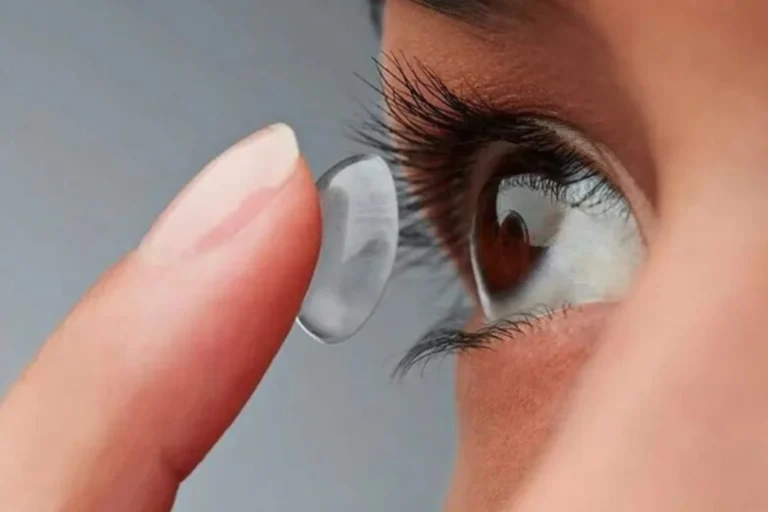
Plenty of people who wear glasses eventually wonder about contact lenses: for sport, for work, for photographs, or simply for a clear view without a frame. The wondering is easy. The decision is less simple, because contact lenses are not an accessory. They are medical devices that sit on the surface of your eye, and how well they work depends on a proper fit and on the habits you build in the first few weeks (AAO).
This guide is for anyone considering contact lenses in Trivandrum for the first time. It explains who they suit, the main lens types, what happens at a fitting and which safe-wear habits matter most, with sources you can check.
Are contact lenses right for you?
Contact lenses correct the same refractive errors as glasses: myopia (nearsightedness), hyperopia (farsightedness), astigmatism and presbyopia, the age-related change in near vision. If you can wear glasses, you can usually be assessed for contacts, but “usually” matters. The AAO notes that contacts may not suit people who get frequent eye infections, who have severe allergies or dry eyes that are hard to treat, who live or work somewhere very dusty, or who cannot commit to proper lens care (AAO). Your cornea and tear film need to be healthy for lenses to be comfortable.
Dryness deserves an early mention. If your eyes already feel dry or tired by evening, read Devas’s post on new contact lens trends to reduce dryness and its dry eye page, and raise it at your fitting rather than hoping a lens will solve it.
Types of contact lenses explained
Most first-timers meet the same handful of terms. The table gives the overview, and the sections after it explain each in plain language.
Type | Commonly suits | Worth knowing |
Soft, daily disposable | Beginners and occasional wearers | New pair every day, so no cleaning routine |
Soft, weekly, fortnightly or monthly | Regular wearers who keep a care routine | Must be cleaned, stored and replaced on schedule |
Toric | Astigmatism | Can correct astigmatism, though not as well as hard lenses; often cost more |
Multifocal or monovision | Presbyopia, usually after 40 | Several approaches exist; ask which are available |
Rigid gas-permeable (RGP) | Moderate to severe astigmatism, keratoconus | Firm lenses that can give sharper vision on an unevenly curved cornea |
Coloured or decorative | Cosmetic use | Prescription and fitting needed even when there is no power |
Soft and rigid gas-permeable lenses
Most people choose soft lenses because they tend to be comfortable and come in many options, according to the AAO. Rigid gas-permeable lenses hold their shape and let oxygen through. They can give sharper vision when the cornea is unevenly curved, which is why they are used for moderate to severe astigmatism and keratoconus. If your clinician suggests RGP lenses, ask why they recommend them over soft ones.
Daily, fortnightly and monthly replacement
Soft lenses differ mainly in how long you wear each pair. Daily disposable lenses are thrown away every day, so there is no cleaning routine, and the AAO notes that some ophthalmologists suggest them if you wear lenses only occasionally. Monthly contact lenses, along with weekly and fortnightly ones, last longer but must be cleaned, stored and replaced exactly on schedule. The honest comparison is about habits: dailies remove a daily task, while monthlies suit people who are consistent. Extended-wear lenses, which can be slept in, are recommended by fewer eye doctors because they raise the chance of a serious infection.
Toric lenses for astigmatism
If your prescription includes astigmatism, toric lenses for astigmatism are designed to correct it. The AAO says torics can correct astigmatism, though not as well as hard lenses, and that they often cost more than other soft lenses. Astigmatism fits can be more demanding, so tell your clinician if vision blurs or shifts during your trial period.
Multifocal lenses and monovision
After about 40, many people develop presbyopia and find near work harder. The AAO lists bifocal or multifocal contact lenses, and monovision, where one eye wears a near lens and the other a distance lens, as options. Neither suits everyone, and not every option is available everywhere, so ask which ones a provider offers before you plan around them.
Coloured and decorative lenses
Coloured contact lenses come in two kinds: vision-correcting lenses that are tinted, and decorative lenses that change how the eye looks without correcting vision. The AAO is clear that decorative lenses still need a prescription and a proper fit, and that non-prescription costume lenses can cause cuts, open sores and potentially blinding infections. Devas lists coloured lenses among the options on its contact lens page. If colour is your main reason for asking, still start with the exam.
What happens at a contact lens fitting
A contact lens fitting is more than reading out a number. A peer-reviewed safety review on PubMed Central says lenses should ideally be fitted and prescribed by an eye care professional after a comprehensive eye examination that rules out underlying disease and covers the risks and benefits of the options (review). Devas’s contact lens page says its fitting includes measuring the curvature of your cornea and the size of your pupil before choosing the type and fit. Expect questions about your work, screen use, allergies, sport and how comfortable you are with a daily care routine. Your answers shape the recommendation as much as your power does.
You will also receive a contact lens prescription, which is separate from your glasses prescription. It contains details a glasses prescription does not, such as lens brand, diameter and base curve, alongside power and, if needed, cylinder and axis. Archived FDA consumer guidance lists these items and advises that you should not accept a substitute lens unless your eye care professional approves it. It is US guidance, but the logic holds anywhere. If you are choosing contact lenses in Trivandrum, that is a good question to ask any seller: is this exactly the lens that was prescribed?
Your first weeks with contact lenses
Expect a learning curve. Inserting and removing lenses takes practice, and the AAO has a step-by-step page on how to put in contact lenses. Devas says beginners can get guided lens fitting and usage sessions, which is worth using, because handling is easier to learn from someone watching your hands than from a leaflet.
Build the routine early. Wear lenses for the hours and on the schedule your clinician sets, replace them on time, keep a pair of glasses with you in case you need to take the lenses out, and book the follow-up check. Contact lenses can warp over time and your cornea can change shape, so fit and prescription need rechecking (AAO).
Safe-wear habits that matter most
Contact lens care is where most problems begin. The AAO’s guidance is specific:
- Wash your hands with soap and water and dry them with a lint-free towel before touching your lenses.
- Rub and rinse lenses with fresh solution every time, even if the solution is a “no-rub” type. Never top off old solution.
- Do not rinse or store lenses in tap water or sterile water, and keep water away from them: no showering, swimming or hot tubs while wearing lenses.
- Do not sleep in daily-wear lenses. The CDC says sleeping in contact lenses increases the chance of an eye infection by 6 to 8 times.
- Replace your lens case at least every 3 months, or immediately if it cracks.
- Do not use saline or rewetting drops to disinfect lenses, and do not wear lenses that have been stored for 30 days or more without re-disinfecting them.
Habits slip, even when people know the rules. A CDC report found that 85 percent of US adolescents and 87 percent of US adults who wear lenses reported at least one habit that raises infection risk. Those are American figures, but they are a useful reminder that the routine, not the lens, is usually the weak link.
When to remove your lenses and call a doctor
Take your lenses out and contact your eye doctor right away if your eyes become very red, painful, watery or sensitive to light, if your vision turns blurry, or if there is any discharge. The AAO says these can be signs of an eye infection or another serious problem. Do not wait for it to settle, and do not put the lenses back in. Keep the lenses and case; your clinician may want to see them. Buy lenses and solutions from a source connected to your prescriber, and avoid unbranded or non-prescription lenses of any kind.
Contact lenses at Devas
Devas Eye Clinic & Opticals lists daily, monthly, toric and coloured lenses on its contact lens page, shows Acuvue (Johnson & Johnson), Bausch + Lomb and Alcon among the brands, and says it stocks cleaning solutions and storage kits. A fitting starts with an eye examination, and beginners can ask for guided handling sessions. Because Devas combines an eye clinic Trivandrum visit with an optical counter, the exam and the fitting can happen in the same place. For more on care, see Devas’s contact lens guide, and use the store locator for branch details and booking.
Frequently asked questions
1.Can I wear contact lenses if I have astigmatism?
Often, yes. Toric lenses for astigmatism or rigid lenses may be used, and an eye examination decides which suits you.
2.Do I need a prescription to buy contact lenses in Trivandrum?
Yes. The AAO describes contact lenses as medical devices that need a prescription from an eye care professional, and that includes decorative lenses with no power.
3.Are daily disposable lenses better than monthly ones?
Not universally. Daily disposable lenses remove the cleaning routine, while monthly contact lenses suit people who are consistent with care. Your clinician can advise based on comfort and eye health.
4.How many hours a day can I wear contact lenses?
Follow the schedule your clinician gives you, as there is no single number for everyone. Do not sleep in daily-wear lenses.
5.Can I wear coloured contact lenses without power? Only with a prescription and a proper fit. The AAO warns that non-prescription coloured contact lenses can cause serious, even blinding, infections.
6.Is it safe to swim or shower with contact lenses in?
No. Both the AAO and the CDC advise keeping water away from lenses, because germs in water can reach the eye on the lens.
7.What should I do if my eyes feel dry with lenses?
Tell your clinician. The AAO says to avoid most eye drops while wearing lenses, but wetting drops or preservative-free lubricating drops are fine if your eye doctor recommends them.
8.How often should I replace my lens case?
At least every 3 months, or straight away if it cracks. It is a basic part of contact lens care.
9.Can children and teenagers wear contact lenses?
Sometimes. It depends on the child’s eyes and their ability to follow the care routine, so it needs a professional assessment.
10.Can I use my glasses prescription to order lenses?
No. A contact lens prescription includes details such as base curve and diameter, and it should come from a fitting with your eye care professional.
Latest Blog & News
How to Choose the Best Optical Shop in Trivandrum
November 18, 2026