- +91 9745784874 | +91 9746040913
- info@devas.care
- Opening Hours : 09:30 AM to 8:00 PM
- Sunday Opening Hours : 10 AM to 7 PM
What Is the Process for Fitting Progressive Lenses into Different Frame Styles?
Home > Blog
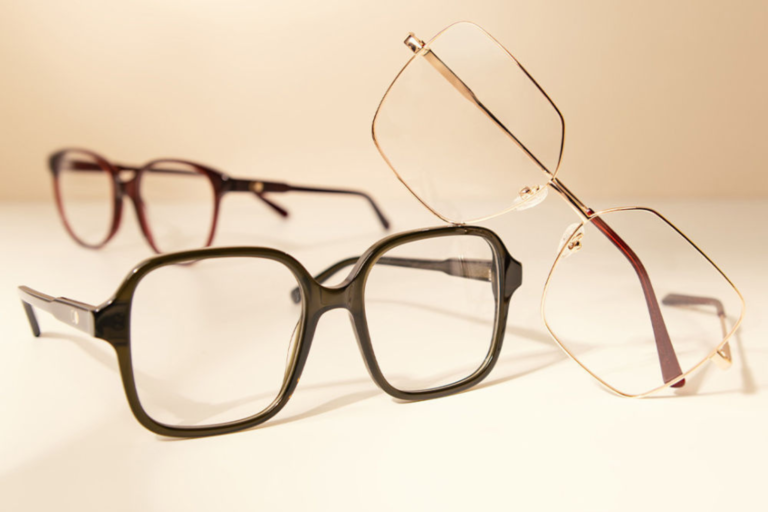
The process of fitting progressive lenses into different frame styles involves a detailed eye examination, accurate measurements, careful frame selection, digital lens customization, precise lens mounting, and final adjustments. Every frame style requires a slightly different fitting approach to ensure clear vision for distance, intermediate, and near viewing.
Choosing progressive lenses is not only about selecting stylish glasses. It is about ensuring the lenses match your eyes and your chosen frame perfectly. A professional eye clinic in Trivandrum follows a systematic fitting process that helps you enjoy comfortable vision throughout the day.
Why Is the Fitting Process So Important?
Progressive lenses contain three viewing zones in one lens. These zones help you see distant objects, computer screens, and reading material without changing glasses. If the lenses are not fitted correctly, you may experience:
- Blurred vision
- Difficulty reading
- Headaches
- Neck strain
- Dizziness
- The “swim effect” while walking
Even the world’s best progressive lenses cannot perform well if they are not fitted accurately. The fitting process is the foundation of clear and comfortable vision.
What Are Progressive Lenses?
Progressive lenses are multifocal lenses that provide seamless vision correction without visible lines. They allow you to:
- See far-away objects clearly.
- Work comfortably on a computer.
- Read books and mobile phones easily.
- Switch between viewing distances naturally.
These lenses are commonly recommended for people over 40 who develop presbyopia, a natural age-related change that affects near vision.
Can Progressive Lenses Fit Every Frame Style?
Yes, but every frame style requires different measurements and fitting techniques. Frame size, lens height, shape, and curvature directly affect how well progressive lenses perform. An experienced optometrist selects a lens design that suits both your prescription and your frame.
Which Frame Styles Work Best for Progressive Lenses?
Frame Style | Suitable for Progressive Lenses | Why It Works |
Full-Rim Frames | Excellent | Maximum lens stability and wider viewing zones. |
Semi-Rimless Frames | Very Good | Lightweight with good support when fitted correctly. |
Rimless Frames | Good | Needs precise drilling and accurate lens mounting. |
Plastic Frames | Excellent | Stable fitting and comfortable for daily use. |
Metal Frames | Very Good | Easy to adjust for proper alignment. |
Small Frames | Moderate | Limited space for progressive viewing zones. |
Large Frames | Excellent | Offers wider distance, intermediate, and reading areas. |
How Does Frame Geometry Affect Progressive Lenses?
Every frame has a unique shape and size. This directly affects the placement of progressive lens zones. For example:
- Small frames need shorter progressive corridors.
- Taller frames provide larger reading areas.
- Curved frames require additional measurements.
- Oversized frames often deliver smoother peripheral vision.
There is no “one-size-fits-all” solution. Every frame requires a customized fitting process.
Step-by-Step Process for Fitting Progressive Lenses
Step 1: Comprehensive Eye Examination
A detailed eye test is the first step. The optometrist checks your distance, near, and intermediate vision, eye health, and current prescription to ensure accurate vision correction.
Step 2: Choosing the Right Frame
The right frame is selected based on lens height, frame size, shape, and comfort. A suitable frame improves both vision and wearing comfort.
Step 3: Measuring Pupillary Distance (PD)
The optometrist measures the distance between your pupils. Accurate PD ensures the lenses align perfectly with your eyes.
Step 4: Measuring Fitting Height
Fitting height determines the correct position of the progressive viewing zones. This measurement provides smooth vision at all distances.
Step 5: Checking Frame Position
The frame is adjusted to fit your face correctly. Proper alignment improves visual clarity and helps you adapt faster.
Step 6: Selecting the Right Lens Design
The lens design is chosen based on your lifestyle, such as reading, computer work, driving, or daily activities. Digital progressive lenses provide wider and more comfortable viewing areas.
Step 7: Digital Lens Manufacturing
Advanced digital technology creates personalized lenses with high precision. This improves visual comfort and reduces distortion.
Step 8: Lens Edging and Mounting
The lenses are shaped to match your frame and mounted accurately. Proper fitting keeps all viewing zones correctly aligned.
Step 9: Final Frame Adjustment
The finished glasses are adjusted for comfort, balance, and proper lens alignment. This ensures a secure and natural fit.
Step 10: Wearer Trial and Adaptation
You try on the glasses to check vision at different distances. Minor adjustments are made to provide the best possible comfort and clarity.
Measurements That Make Progressive Lenses Comfortable
Many people think only the prescription matters. In reality, several measurements influence lens performance.
Measurement | Why It Matters |
Pupillary Distance (PD) | Aligns the optical center with your eyes. |
Monocular PD | Improves accuracy for each eye individually. |
Fitting Height | Positions the progressive zones correctly. |
Vertex Distance | Maintains correct lens power. |
Pantoscopic Tilt | Enhances natural viewing angles. |
Face Wrap Angle | Improves peripheral vision. |
These precise measurements help create personalized progressive lenses with better visual comfort.
Common Mistakes During Progressive Lens Fitting
Poor fitting can affect even premium lenses. Common mistakes include:
- Choosing very small frames.
- Incorrect PD measurement.
- Wrong fitting height.
- Measuring before adjusting the frame.
- Poor lens alignment.
- Buying glasses without professional fitting.
Avoiding these mistakes makes adaptation faster and vision more comfortable.
How Long Does It Take to Adjust?
Most people adapt within one to two weeks.
Time | Expected Experience |
Days 1–3 | Slight adjustment while changing focus. |
Days 4–7 | Better coordination between viewing zones. |
Days 7–14 | Comfortable daily use for most wearers. |
Up to 4 Weeks | Full adaptation in some cases. |
Wearing your glasses regularly helps your eyes adjust more quickly.
Latest Technology Makes Progressive Lenses Better
Modern optical technology has transformed progressive lens fitting. Today’s premium lenses may include:
- Digital Freeform Technology
- AI-assisted lens design
- 3D facial measurements
- Personalized lens optimization
- High-definition optics
- Anti-reflective coatings
These innovations reduce distortion, improve peripheral vision, and provide a more natural viewing experience.
Practical Tips Before Buying Progressive Lenses
Follow these simple tips:
- Choose a frame with sufficient lens height.
- Get your eyes tested before ordering new glasses.
- Always measure the lenses after selecting the frame.
- Ask about digital progressive lenses.
- Select an anti-reflective coating for better night vision.
- Buy from experienced optical professionals.
These small decisions can significantly improve your long-term comfort.
Why Professional Fitting Matters
Studies estimate that nearly 75% of adults over the age of 45 experience presbyopia, making progressive lenses one of the most popular vision correction options worldwide.
However, the lens itself is only one part of the solution. Accurate measurements, proper frame selection, and professional fitting determine how well the lenses perform in daily life. A precise fitting also shortens the adaptation period and reduces common issues such as blurred vision and the “swim effect.”
If you are planning to buy progressive lenses Trivandrum, choose an experienced eye clinic Trivandrum that follows a detailed fitting process. Professional guidance ensures your glasses deliver clear, comfortable, and natural vision for years to come.
Conclusion
Progressive lenses deliver excellent vision only when they are fitted with precision. Every measurement, from pupillary distance to fitting height and frame alignment, plays an important role in your visual comfort.
When fitted correctly, progressive lenses provide smooth vision for reading, computer work, driving, and everyday activities without changing glasses. If you are looking for progressive lenses Trivandrum, visit a trusted eye clinic Trivandrum that combines expert eye care, advanced digital measurements, and personalized fitting to give you the clearest and most comfortable vision possible.
Frequently Asked Questions
Can progressive lenses be fitted into rimless frames?
Yes. Rimless frames can hold progressive lenses, but they require highly accurate measurements and careful lens mounting.
Which frame style is best for progressive lenses?
Full-rim and medium-to-large frames generally provide the best support because they offer enough space for all viewing zones.
How long does progressive lens fitting take?
The measurements usually take only a few minutes. However, lens manufacturing and fitting may take a few days depending on the lens design.
Why do some people feel dizzy with new progressive lenses?
Dizziness usually happens because your eyes are adapting to the new viewing zones or because the lenses are not fitted accurately.
Can I use my old frame for progressive lenses?
Sometimes yes. Your optician will check whether the frame condition, size, and shape are suitable before reusing it.
Latest Blog & News
Are Photochromic Lenses Good For Eyes?
September 9, 2026